
10 Living Room Divider Ideas for Open & Functional Spaces
In today’s modern homes, open-plan layouts are increasingly popular, offering a sense of spaciousness and flow. However, creating distinct zones within these expansive areas can enhance functionality without sacrificing aesthetics. A well-chosen living room divider serves as an elegant solution to separate spaces like dining areas, home offices, or relaxation nooks while maintaining an airy feel. Whether you’re dealing with a small apartment or a large family home, incorporating a living room divider can add privacy, style, and organization. This article explores 10 innovative living room divider ideas that blend form and function, drawing on semantic elements like zoning techniques, partition designs, and multi-purpose separators to optimize your space. From natural elements to high-tech options, these suggestions cater to various styles and budgets, ensuring your open living area remains both practical and visually appealing.
1. Bookshelves as Versatile Dividers
Bookshelves make for an excellent living room divider, combining storage with separation in a seamless way. Opt for open-shelved designs that allow light to pass through, preventing the room from feeling cramped. Fill them with books, decorative vases, or plants to personalize the space. In a studio apartment, a tall bookshelf can delineate the living area from the bedroom without blocking views. For added functionality, choose models with wheels for easy reconfiguration. This approach not only organizes your belongings but also adds a layer of intellectual charm to your decor. Consider materials like wood for a rustic vibe or metal for industrial appeal, ensuring the divider complements your overall interior theme.

2. Folding Screens for Flexible Partitioning
Folding screens are a classic living room divider option, offering portability and versatility. These lightweight panels can be unfolded to create instant privacy and folded away when not needed. Available in materials like wood, fabric, or metal, they come in various patterns—from intricate carvings to minimalist designs. In an open-concept home, place a folding screen behind a sofa to carve out a reading corner. They also work well in rental spaces where permanent fixtures aren’t allowed. To enhance semantic flow, pair them with complementary room elements like rugs or lamps for cohesive zoning. Their adaptability makes them ideal for dynamic households that frequently rearrange layouts.

3. Curtain Partitions for Soft Separation
Curtains provide a soft, ethereal living room divider that’s easy to install and change. Hang them from ceiling tracks to create fluid boundaries that can be drawn open or closed as needed. Sheer fabrics allow light diffusion, while heavier ones offer more privacy. In a combined living-dining space, curtains can subtly separate the areas without harsh lines. Choose colors that match your palette for a unified look, or opt for patterns to add visual interest. This method is budget-friendly and renter-approved, as it requires minimal hardware. For semantic SEO alignment, think of curtains as textile partitions that enhance acoustic control and thermal insulation in open environments.
4. Plant Walls for Natural Zoning
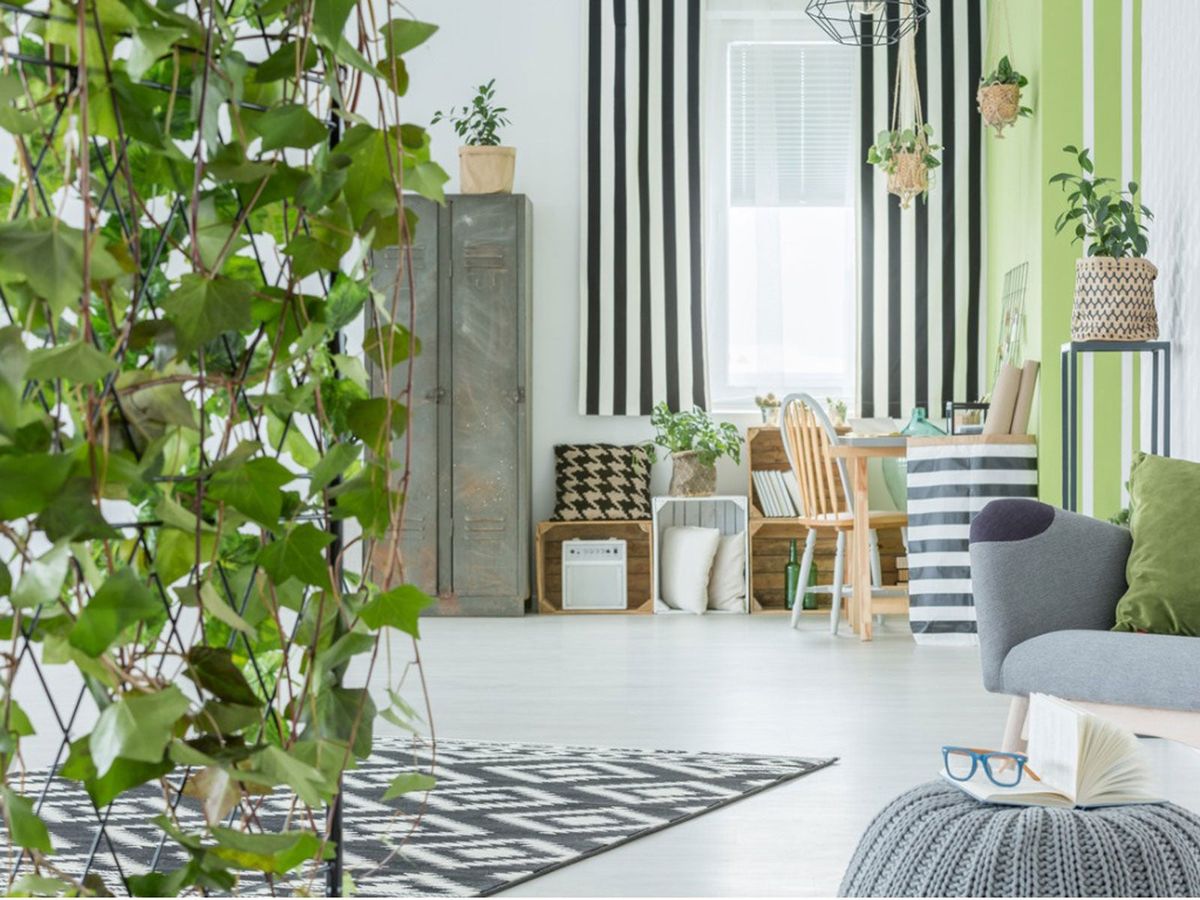
Bring the outdoors in with a plant wall as a living room divider, promoting biophilic design and air purification. Use tall planters, vertical gardens, or hanging pots to form a green barrier that’s both functional and refreshing. Species like pothos, ferns, or succulents thrive indoors and add texture. In an open floor plan, a plant divider can separate the lounge from a workspace while improving ambiance. Maintenance is key—ensure adequate lighting and watering systems. This eco-friendly option aligns with sustainable living trends, making your space feel alive and connected to nature. Semantically, it ties into wellness-focused interiors and organic space segmentation.
5. Glass Panels for Modern Transparency
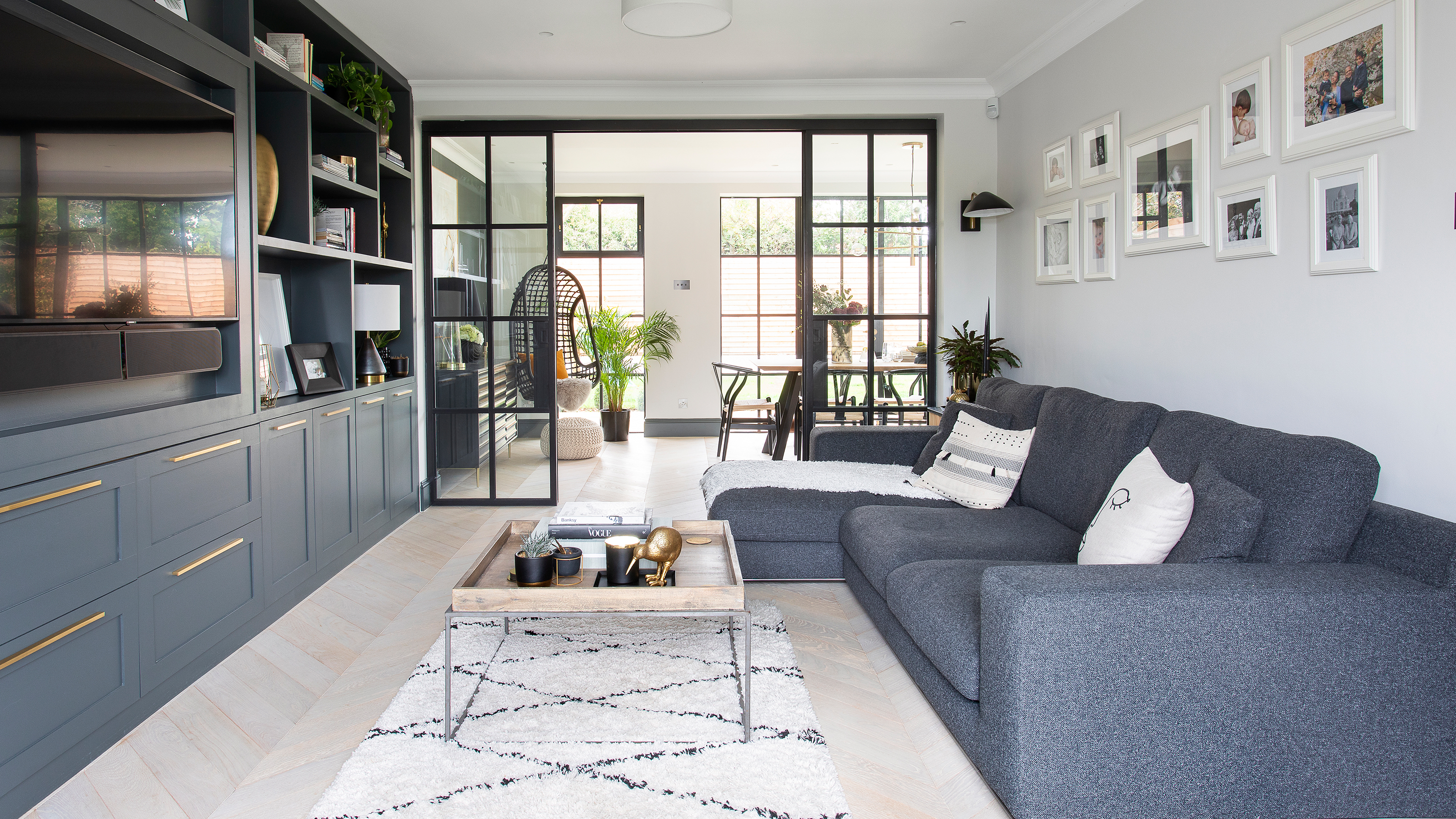
Glass panels offer a sleek living room divider that maintains openness while defining areas. Frosted or clear options provide varying degrees of privacy without obstructing light. Framed in slim metal for a contemporary edge, they’re perfect for minimalist homes. Install them between the living room and kitchen to contain cooking odors yet keep the space connected. Etched designs or tinted glass can add artistic flair. This durable choice is ideal for high-traffic areas, resisting wear better than fabric alternatives. In terms of semantic practices, glass dividers emphasize light flow and visual continuity in multifunctional rooms.
6. Sliding Barn Doors for Rustic Charm
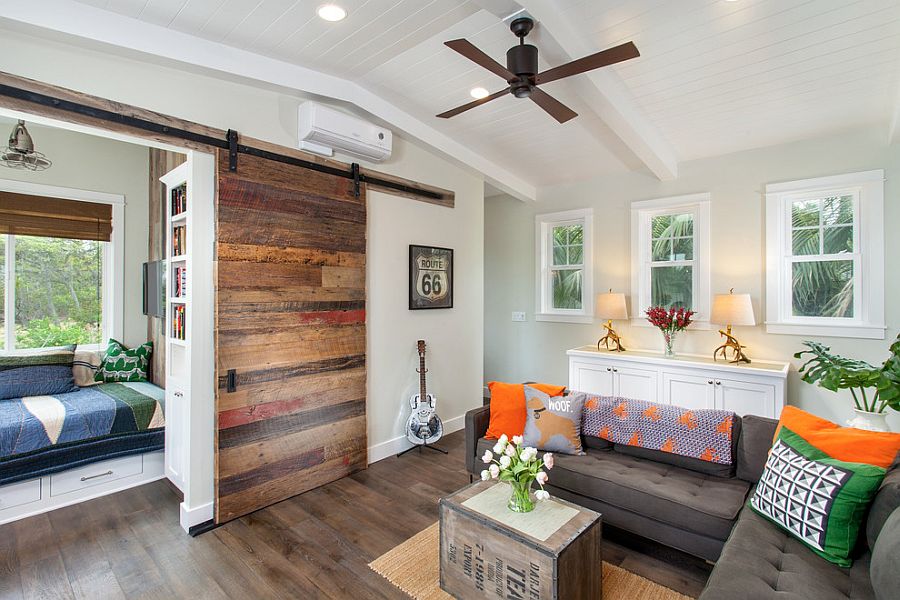
Sliding barn doors serve as a charming living room divider, blending rustic appeal with practical sliding mechanisms. Mounted on overhead tracks, they save floor space and add character. Wood finishes evoke farmhouse style, while painted versions suit modern aesthetics. Use them to hide a TV nook or separate a play area in family-oriented spaces. Hardware like wrought iron adds authenticity. Easy to DIY or customize, they’re a statement piece that enhances room transitions. Semantically, these doors relate to adaptive architecture and heritage-inspired zoning in open layouts.
7. Multi-Functional Furniture for Smart Division
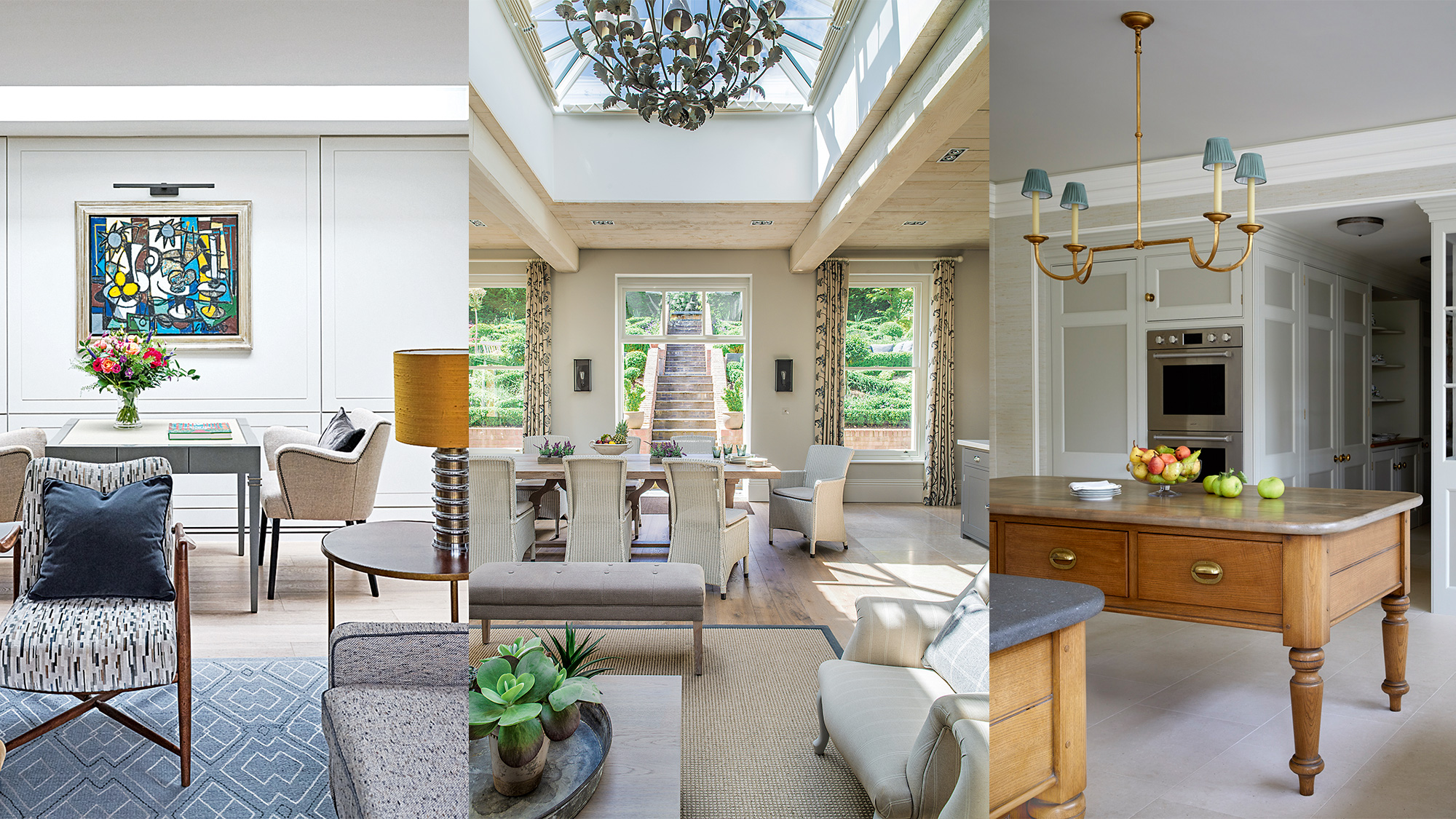
Incorporate multi-functional furniture as a living room divider to maximize utility in compact spaces. Sofas with built-in storage, console tables, or benches can act as subtle separators. Position a long credenza between seating areas to define zones while providing surface space. In lofts, a daybed divider creates a guest sleeping area. Choose pieces with dual purposes, like ottomans that store items. This approach optimizes square footage, ideal for urban dwellers. Semantic ties include efficient space management and versatile furnishings in dynamic interiors.
8. Hanging Macrame or Beads for Bohemian Vibes
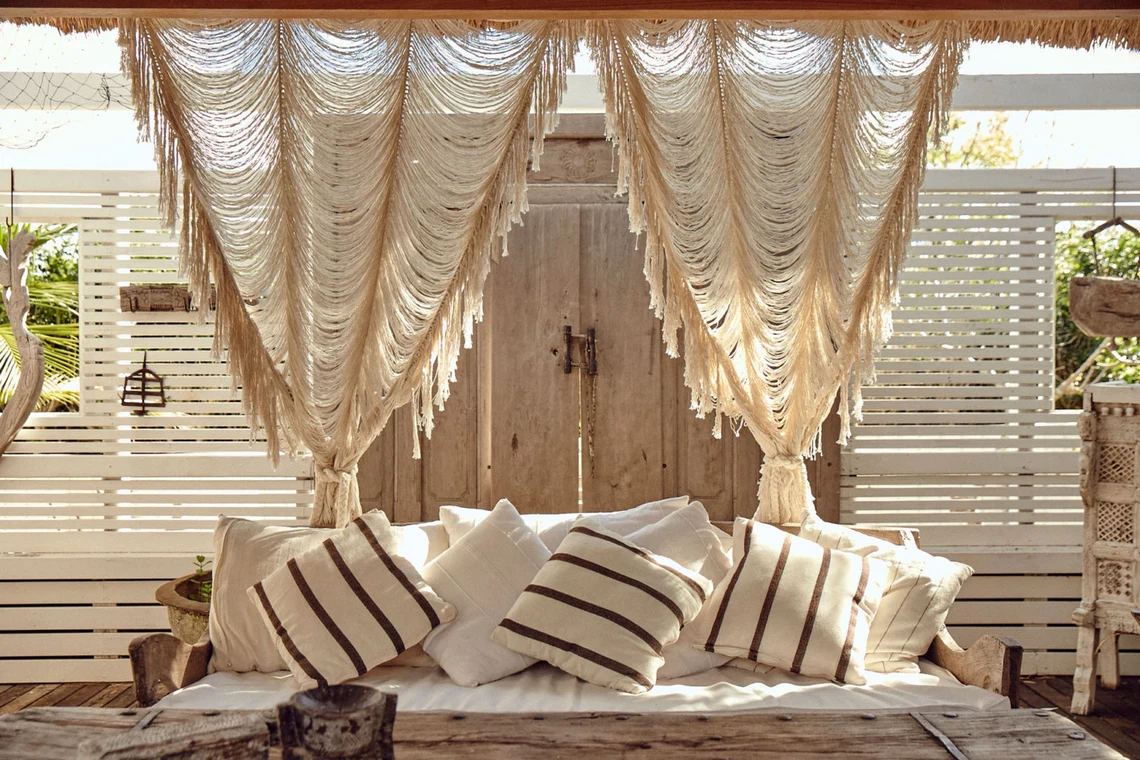
Hanging macrame or beaded dividers introduce a bohemian touch as a living room divider, offering lightweight and artistic separation. Suspended from the ceiling, they sway gently, adding movement and texture. Macrame knots create intricate patterns, while beads reflect light for sparkle. Perfect for eclectic homes, they divide spaces without overwhelming visuals. In a sunny room, they enhance play of light and shadow. Easy to craft or purchase, they’re a creative DIY project. Semantically, these relate to artisanal crafts and sensory elements in relaxed, open-plan designs.
9. Built-In Cabinetry for Permanent Functionality
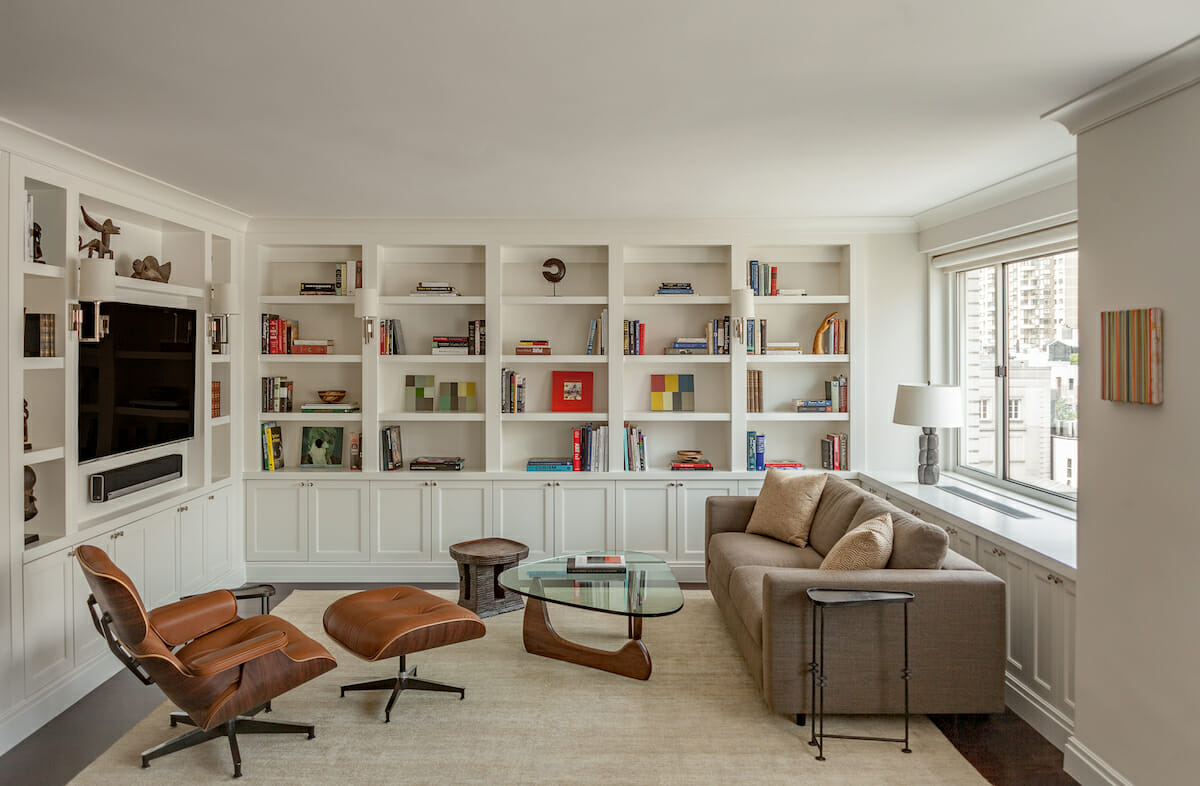
Built-in cabinetry provides a sturdy living room divider with ample storage solutions. Custom designs can include shelves, drawers, and display niches tailored to your needs. In larger homes, they separate entertainment zones from quiet corners. Materials like oak or laminate ensure longevity and style matching. Integrate lighting for ambiance. This fixed option increases property value and organization. For semantic optimization, consider it as integrated architecture for seamless space division and clutter control.
10. Artistic Sculptures or Installations for Unique Flair
Artistic sculptures or installations make for an unconventional living room divider, turning separation into a focal point. Freestanding metal art, wooden carvings, or kinetic pieces add personality. Place them strategically to guide traffic flow in open areas. In galleries or creative homes, they inspire conversation. Custom commissions allow personalization. This idea blends art with utility, enhancing cultural depth. Semantically, it connects to expressive design and sculptural elements in innovative interiors.
FAQs
What is the best living room divider for small spaces?
For small spaces, opt for lightweight options like folding screens or curtains. These living room dividers are easy to store and don’t take up permanent floor space, allowing flexibility in tight layouts.
How do I choose a living room divider that matches my decor?
Consider your existing style—rustic for barn doors, modern for glass panels. Match materials and colors to your furniture for cohesion. A living room divider should enhance, not clash with, your semantic theme of openness and function.
Are living room dividers easy to install?
Many are DIY-friendly, like hanging curtains or placing bookshelves. More complex ones, such as built-in cabinetry, may require professional help. Always measure your space first for a perfect fit.
Can a living room divider improve acoustics?
Yes, options like plant walls or fabric screens absorb sound, reducing echo in open areas. This makes them ideal for multifunctional rooms where noise control is key.
What’s the cost range for a quality living room divider?
Budget options start at $50 for curtains, while custom built-ins can exceed $1,000. Mid-range choices like bookshelves fall around $200-$500, depending on size and material.
Final Words
Transforming your open living space with a thoughtful living room divider can elevate both its functionality and aesthetic appeal. From natural plant walls to sleek glass panels, these 10 ideas offer something for every taste and need, ensuring your home remains inviting and efficient. Experiment with combinations to find what suits your lifestyle best. Remember, the key to successful zoning lies in balancing separation with connectivity—creating spaces that feel both private and unified. Whether you’re refreshing a rental or redesigning a forever home, incorporating these partition strategies will make your living area more versatile and enjoyable.